RESEARCH
AREAS OF INTEREST AND RESEARCH
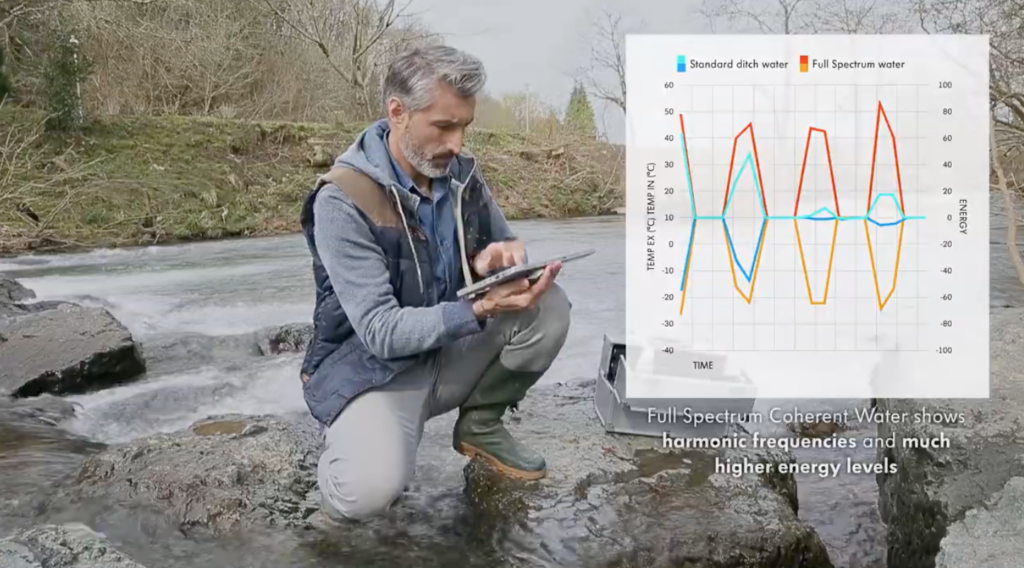
Here are some of the various methods Water&Light uses, among others, for the studies we do on-and with-Full Spectrum Coherent Water.
From the header menu, select research to go to the relevant page.
APPLICATIONS
IN THE HUMAN BODY
Water plays an essential role in all biological processes. Structure can affect transport and interaction within the body.
AGRICULTURE
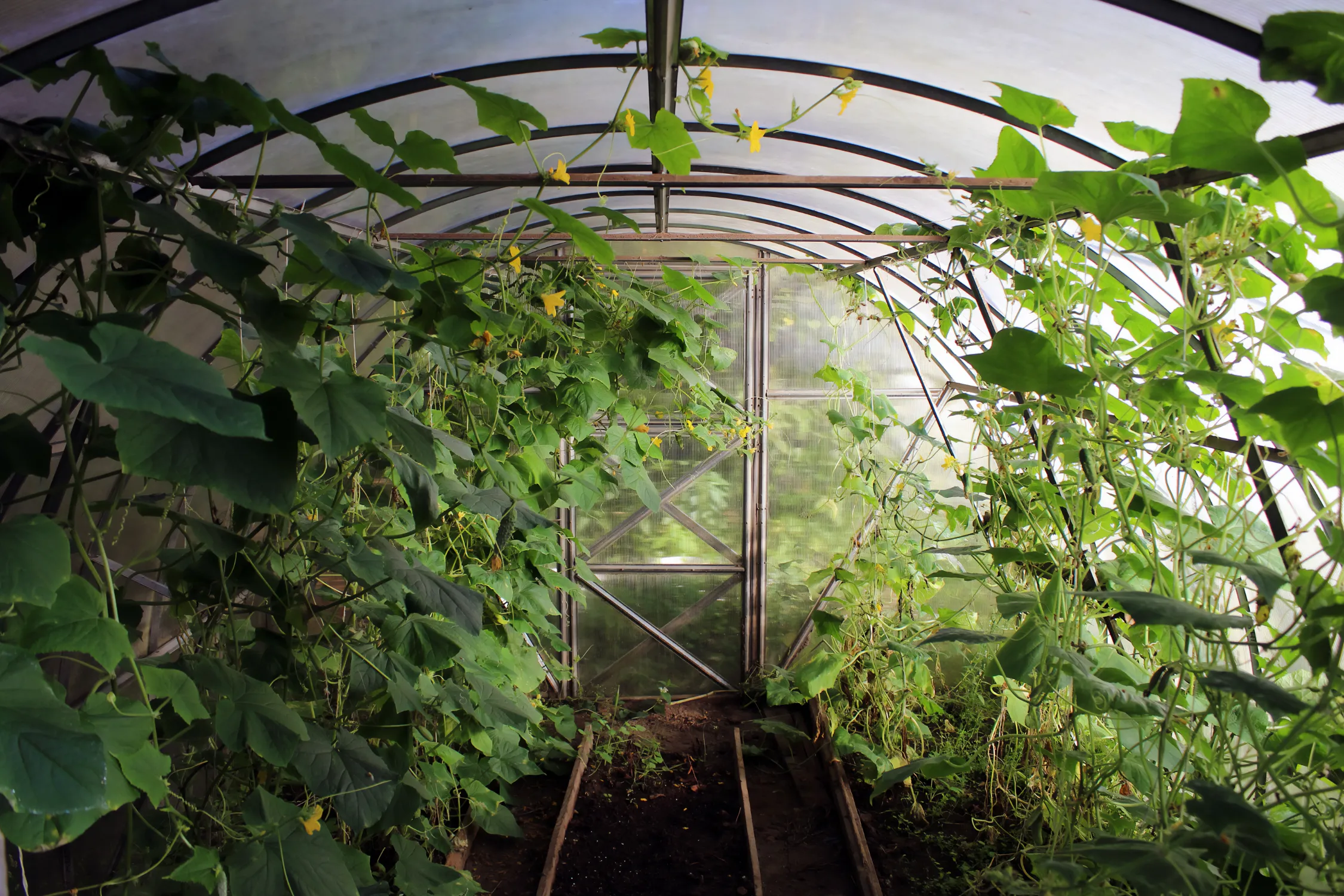
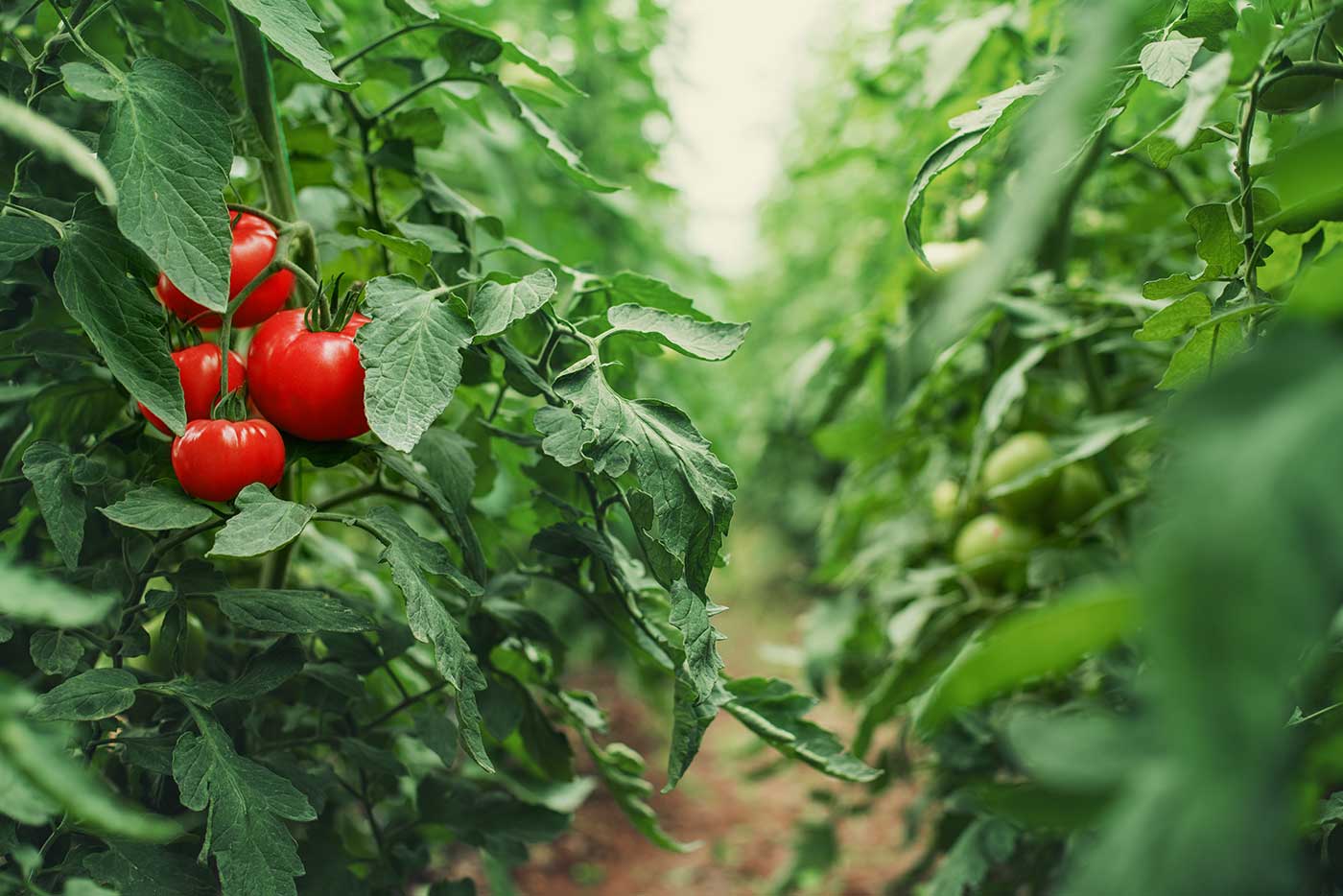
Water quality and structure can potentially affect soil and plant growth.
ECOSYSTEMS
Water structure is relevant to natural balance and biodiversity.
BUILDING & CONSTRUCTION MATERIALS
Water structure is also relevant in the production of building materials such as bricks, insulation materials, heating system contents, etc.
RESULTS & OBSERVATIONS
Within our studies, we collect data and field observations that contribute to a better understanding of water structure and coherence.
These results are continuously expanded and refined.
SURVEY OF STUDIES
Within Water and Light BV, we conduct focused research on the interaction between water structure, light and biological systems.
Our research areas focus on fundamental processes within the body and nature.
ATP (cellular energy)
Investigating the relationship between water structure and ATP production within cells. ATP is the body’s primary energy source and is highly dependent on the cellular environment.
Biophotons (light particles)
Analysis of light emission (biophotons) in biological systems and its possible relationship with coherence in water.
Cellular vitality
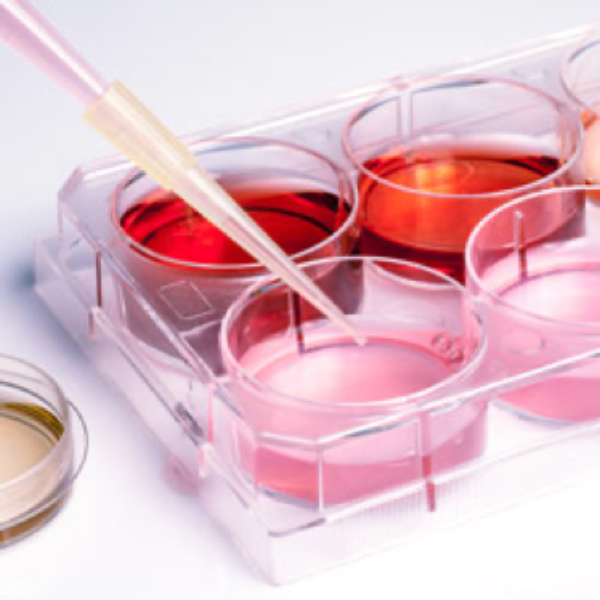
A review of research on the effects of Analemma Water on organ-specific cell cultures. This study looked at measurable changes at the cellular level, with special attention to the intestinal barrier, cell metabolism, regeneration, oxidative stress and the activity of functional immune cells.
GlycanAge (estimated biological age).
Investigating biological aging via glycan profiles and the possible role of water structure within these processes.
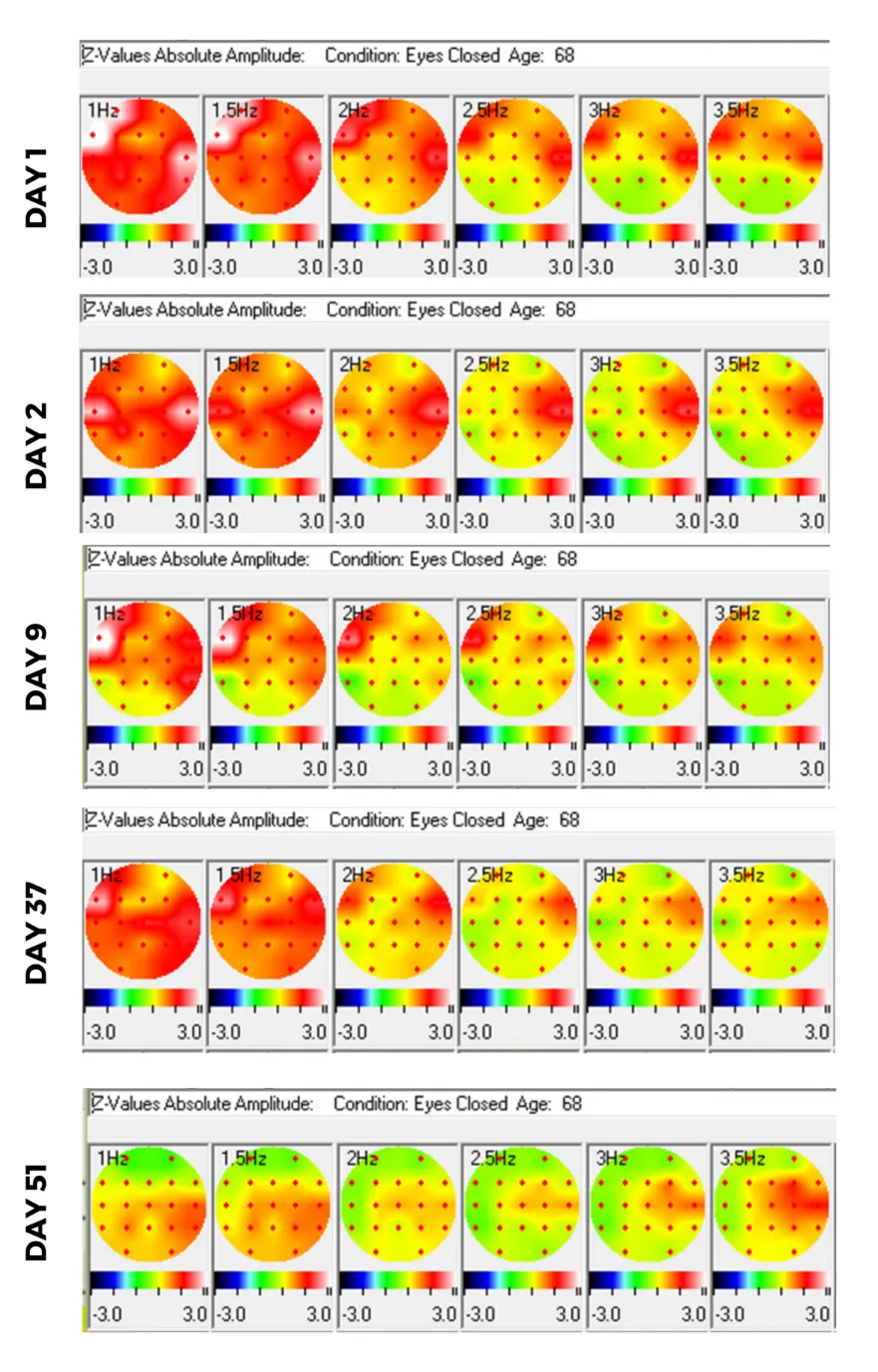
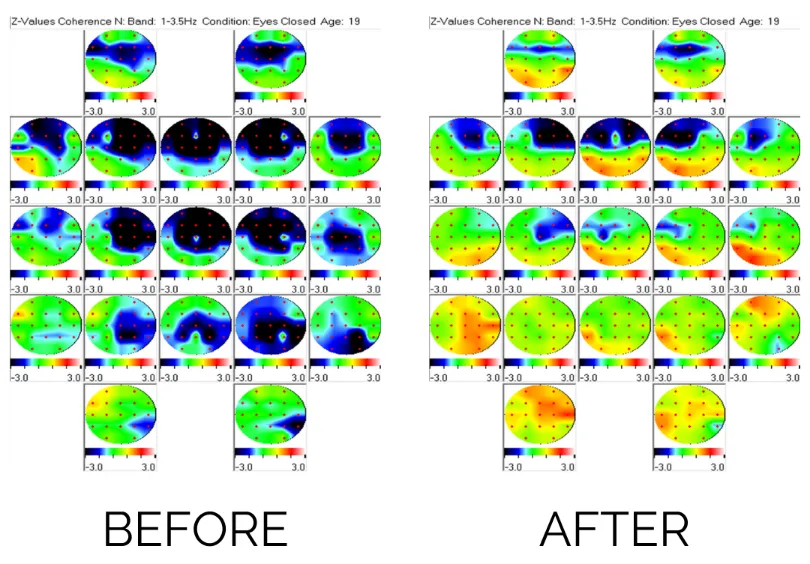
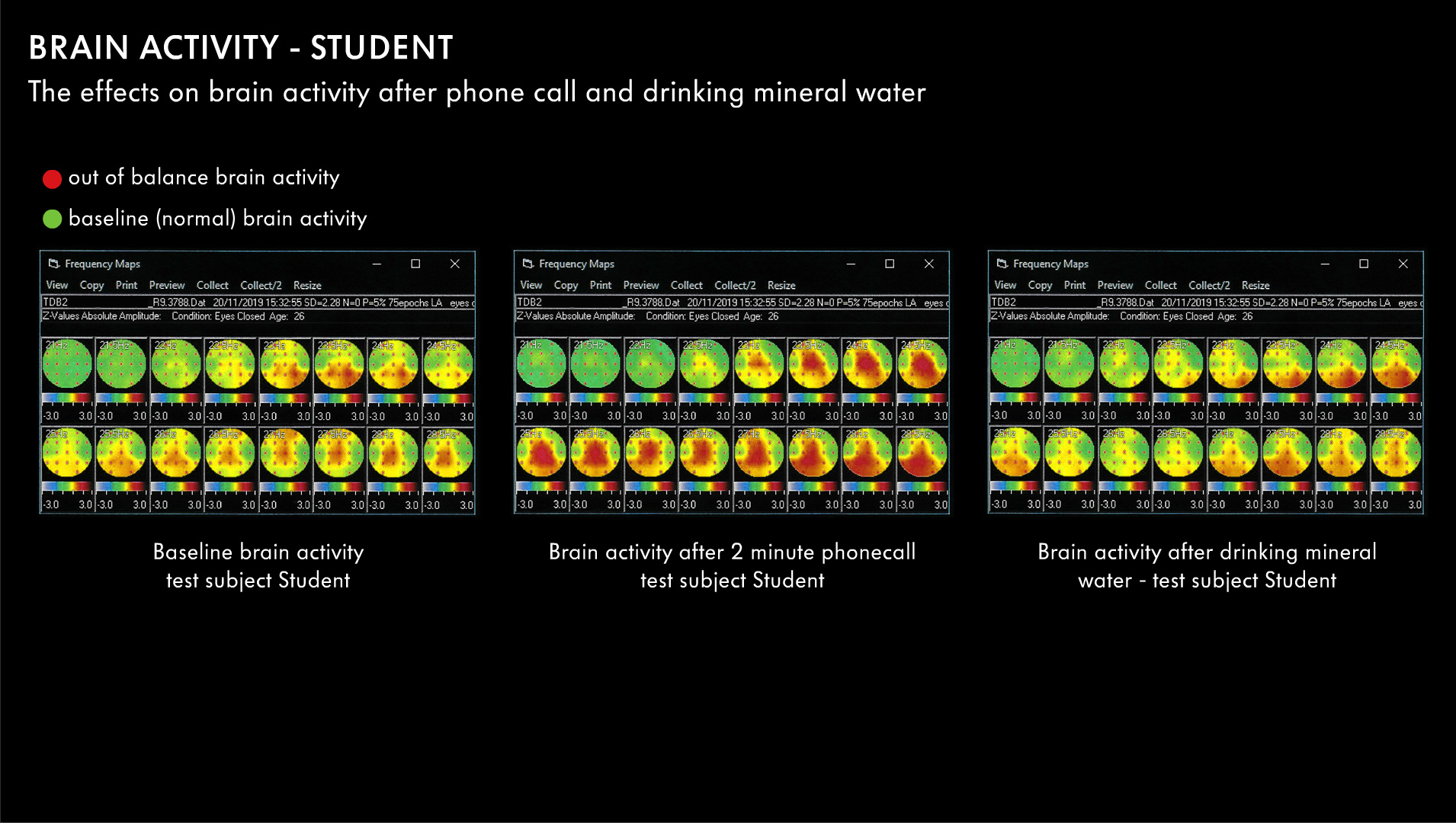
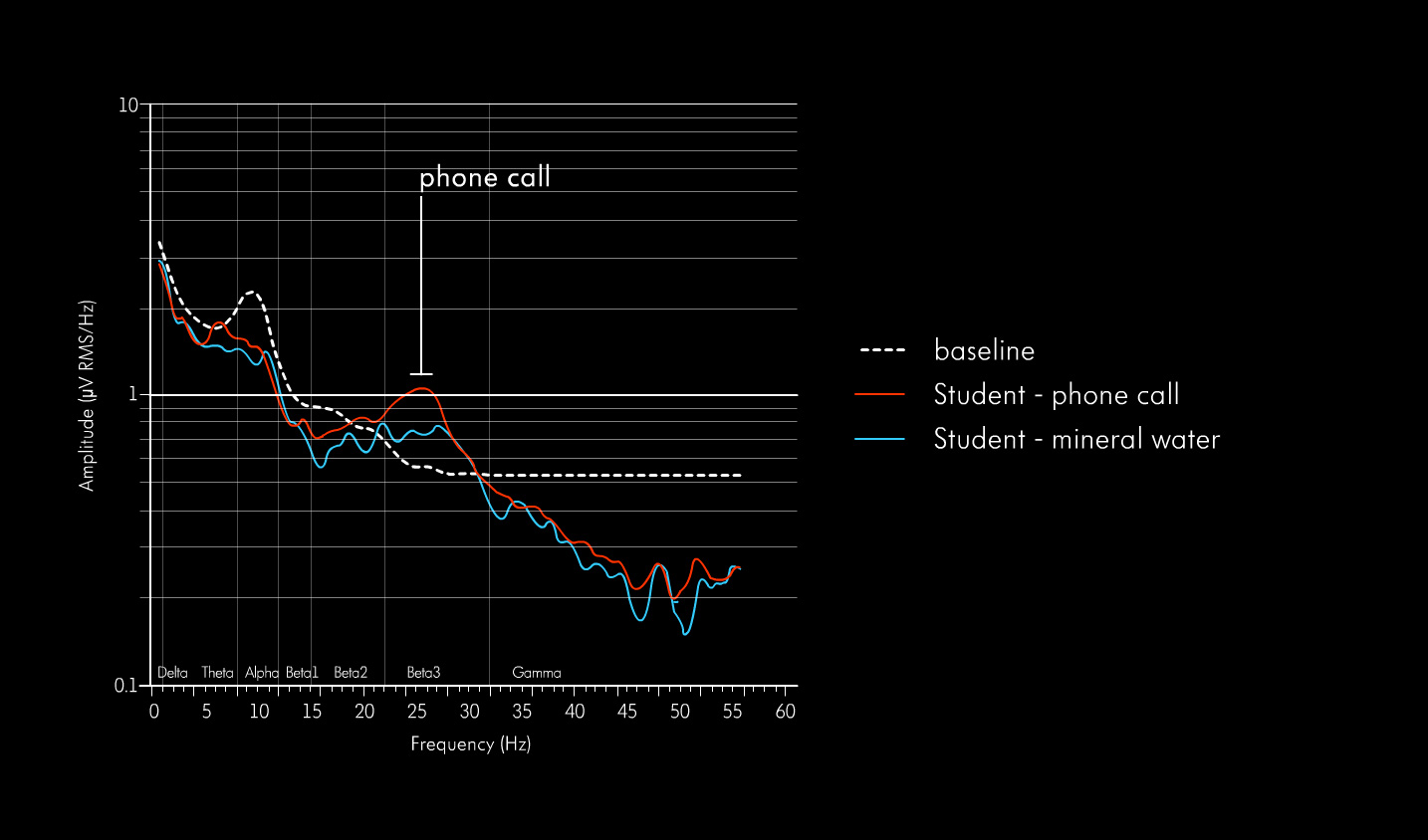
Brain waves
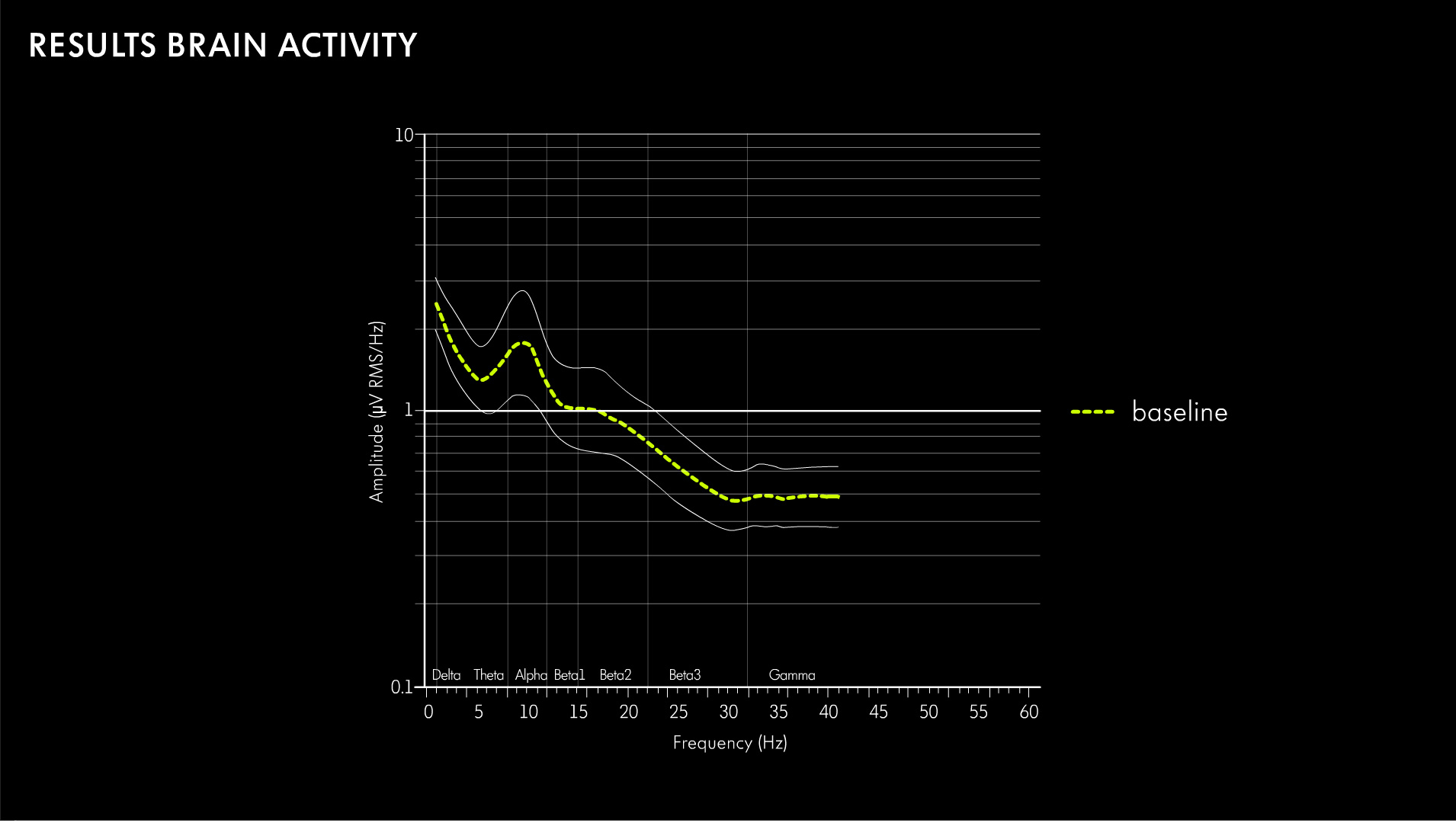
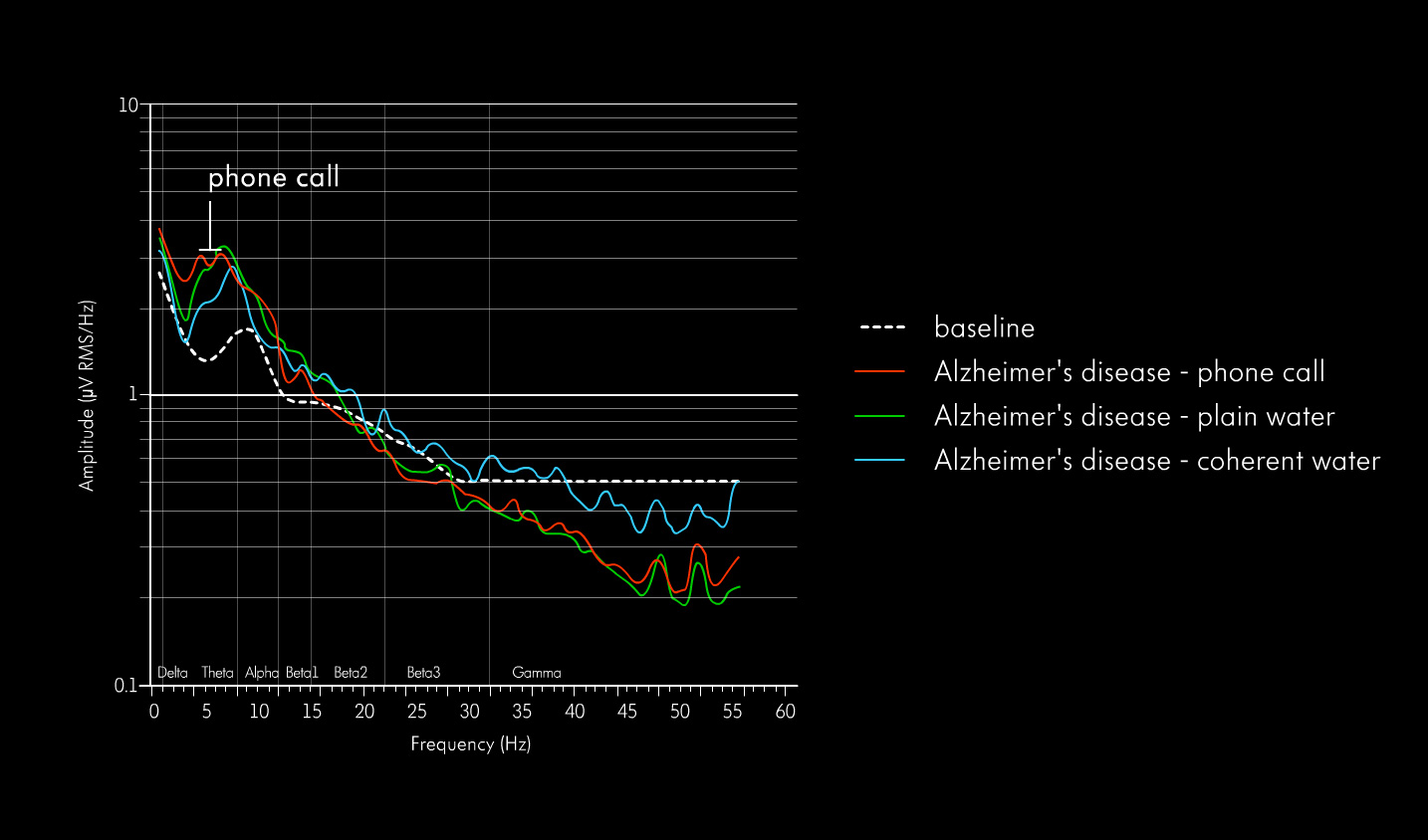
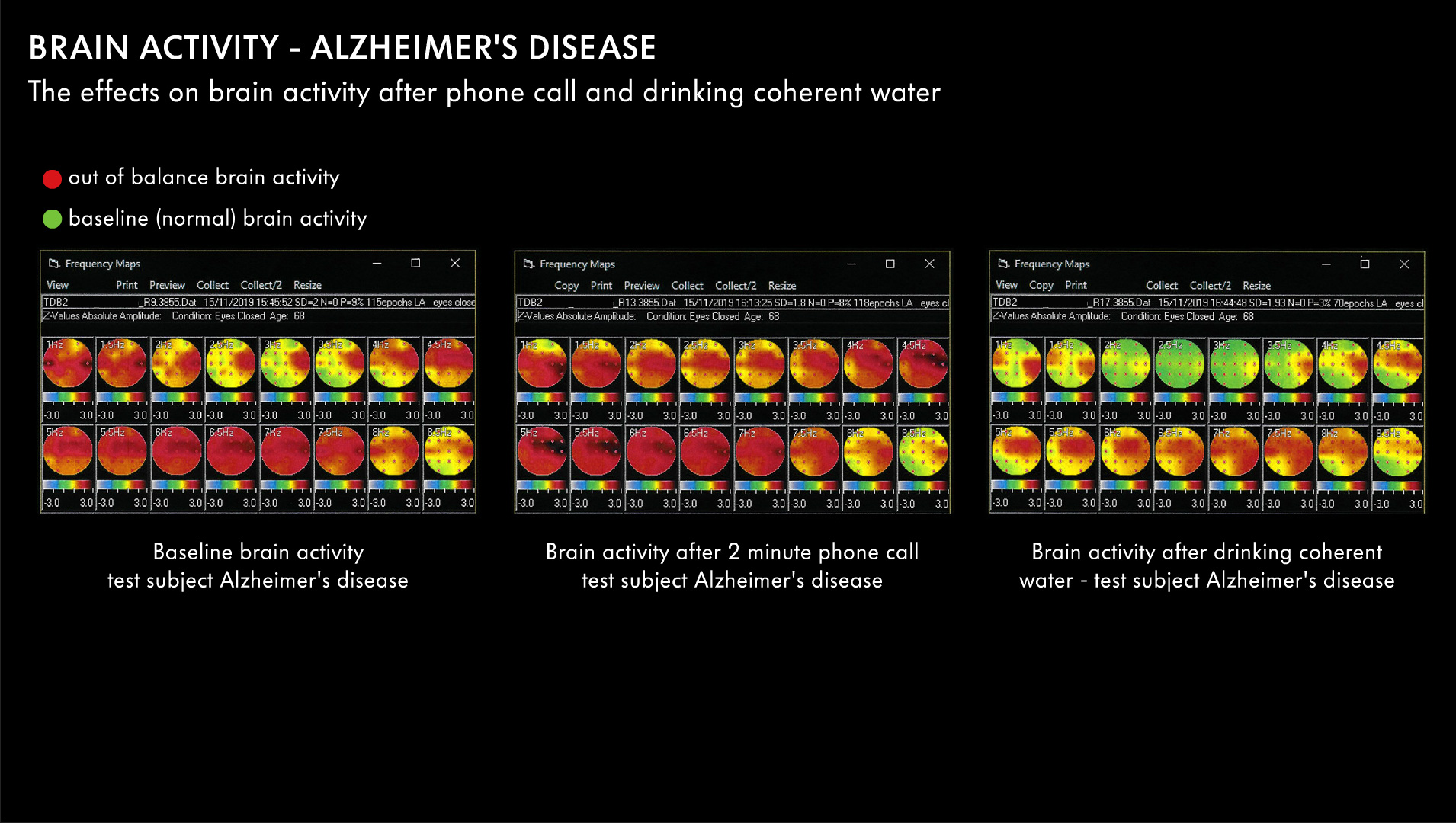
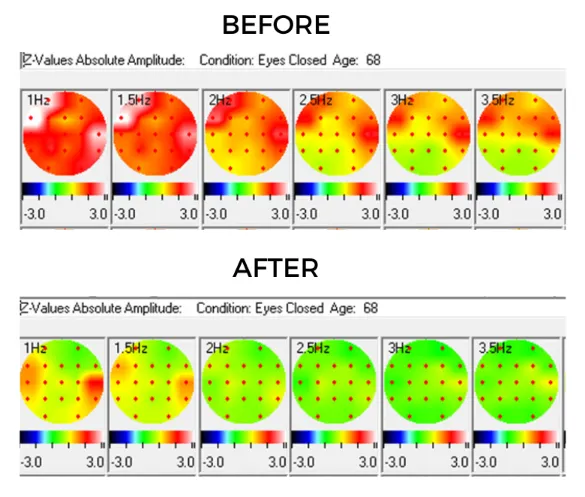
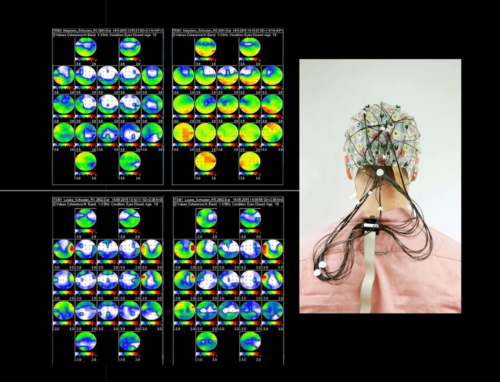
Study of the influence of water structure on neurological activity and brain wave patterns, focusing on rest, focus and coherence.
Light Emission
Human Microbiome (Gut Flora)
Analysis of the interaction between water structure and microbial ecosystems in the body. This involves looking at balance, diversity and possible influences on health.
Plant and soil research (soil microbiome)
Investigating the effects of structured water on soil quality, microbiology and plant growth within natural and agricultural systems.
NAD+ Cell energy
An overview of the study and observation we have done in relation to the behavior of coherent water.
Water Structure
An overview of Full Spectrum Coherent Water research with NMR and FT-IR: two modern measurement methods that help look at the subtle structure and motion of water molecules.
Research menu
Or select the topic you’d like to read more about from the “Research” section in the header menu.
Analysis of urine and blood samples from animals and humans using UV, VIS, NIR, and Raman spectroscopy
In addition to spectroscopy, at Water&Light we measure not only brain waves but also photon emissions from humans. Photon phenomena are studied from the cellular level up to the level of an individual organism. We closely monitor the development of highly sensitive photon detection techniques. The studies demonstrate the potential utility of ultra-weak photon emission for detecting relevant biomedical information for diagnosing pathophysiological conditions within the system.
In addition to photon measurements, we can also measure EEG, ECG and respiratory signals.
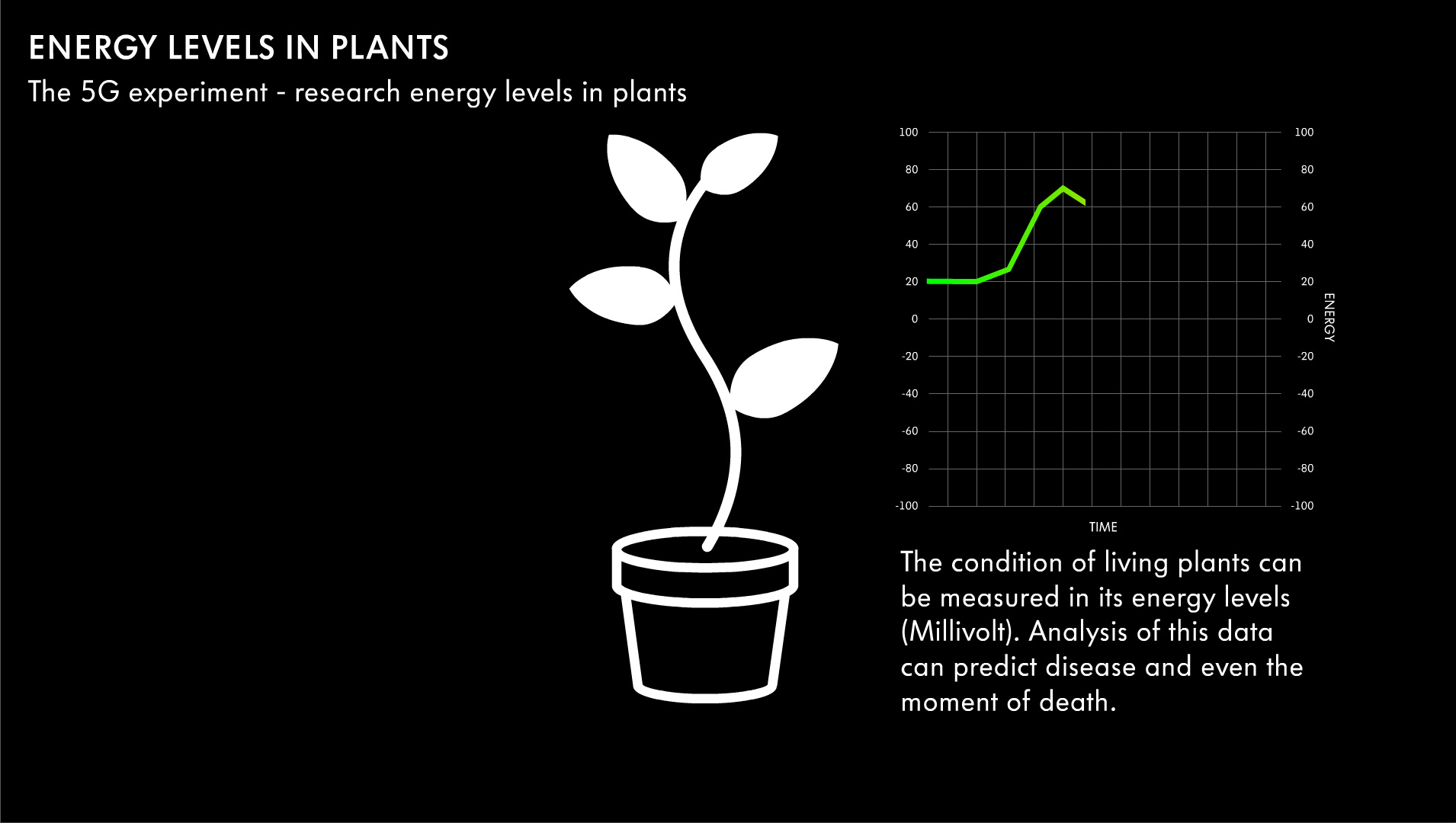
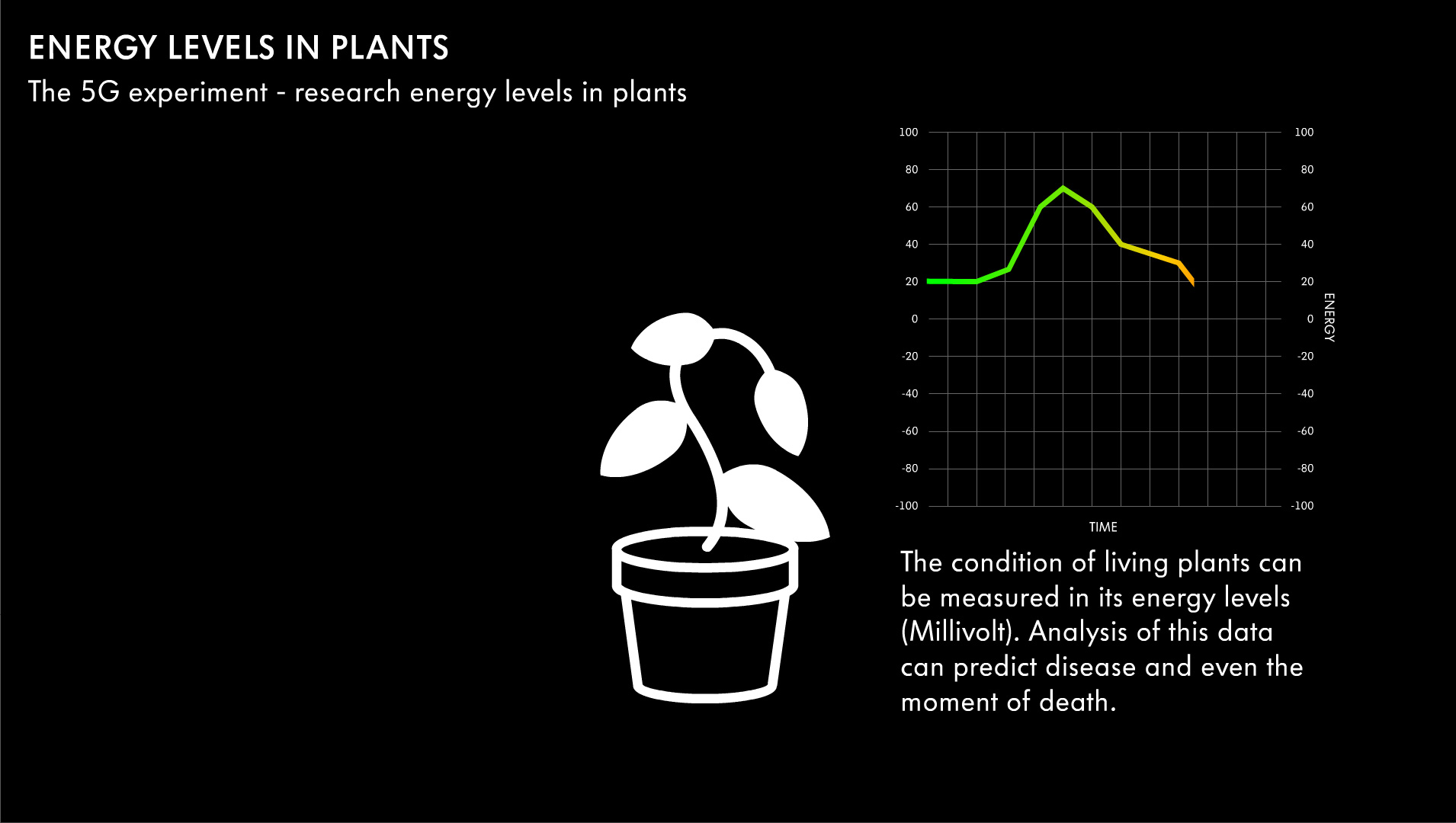
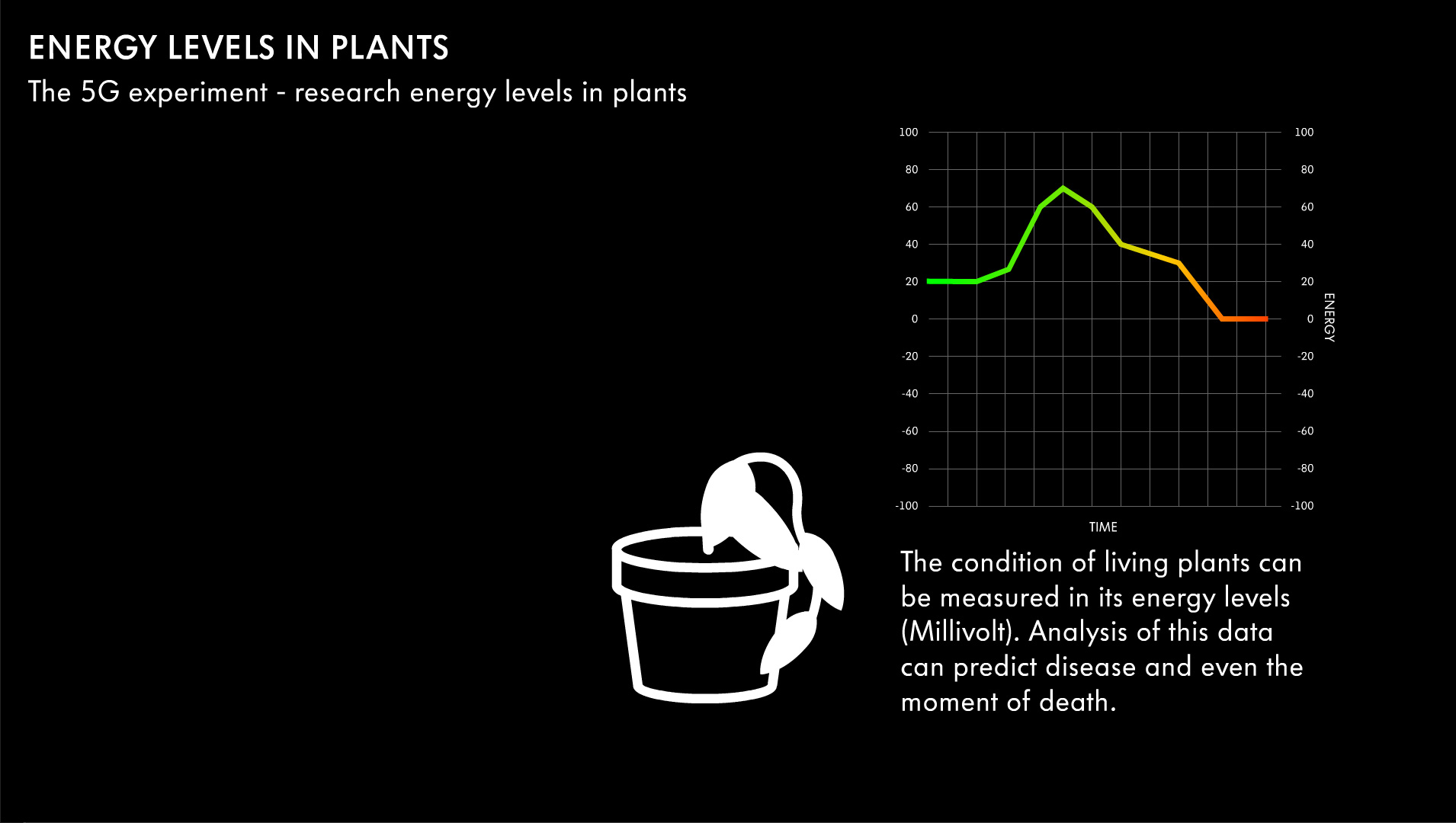
For ultraweak photon emission measurements in agriculture, spontaneous photon emission and delayed luminescence techniques are used.
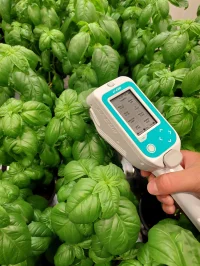
Spontaneous photon emission is mainly applied to estimate the defense system of plants, such as the quality of the defense system of plants, the degree of protection against attacks by pathogens such as bacteria, fungi and insects.
Delayed luminescence provides information about the vitality of a biological product. It is based on structural quality in relation to the development stage of the product. Vitality is a new quality marker of food products and complementary to commonly used tests for chemical content and structural properties of a product.
Delayed luminescence is used to:
Predict the germination rate of seeds,
estimate growth and maturation stages,
and predict vitality under different storage conditions.
How water & light can carry information
In modern technology, we use light to transmit information. Through fiber optic cables, huge amounts of data travel the world – not as matter, but as light signals that are carefully ordered.
What this technology makes possible is coherence: a state in which light waves are tuned to each other and so can stably carry information.
Interestingly, science is also looking at a similar principle in water.
In fact, under certain conditions, water can organize itself into a more ordered, coherent structure. This is also known as a coherent state. In this state, water molecules no longer behave completely randomly, but as a tuned whole.

Research within the Analemma project focuses on how this arrangement of water is related to biological systems. This includes looking at processes such as biophoton emission – the weak light that living systems continuously emit – and how water may play a role in this as a connecting factor between energy and biology.
Whereas fiber optics uses light to transport information, this research explores whether water – through structure and arrangement – can also play a role in how information moves within living systems.
It is important to emphasize that this is not a direct comparison to digital communication. Water does not send data the way a cable does. But the idea that structure and cohesion can carry information opens up a new way of looking at water’s role in nature.
Inspired by these natural principles, Water and Light explores how water, when brought into a more coherent state, behaves differently within biological and ecological systems.
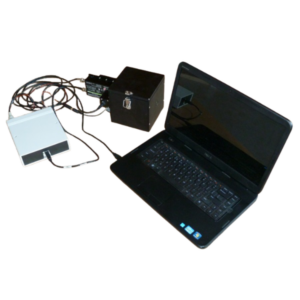
Small size system (complete system including sensor, sample chamber, shutters and computer is shown here):
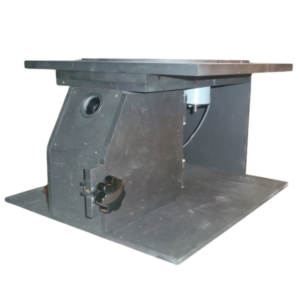
Systems to measure the human hand
Systems to measure both human hands
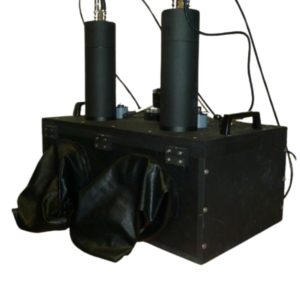
We have experience with different types of sensors, such as photomultiplier tubes (PMT), photodiodes and spectrometers.
We can design and build prototypes to your specifications:
- You can specify the type of sensor (photomultiplier tube (PMT), photodiode or spectrometer).
- You can specify the shape and size of the sample chamber or holder needed for your application.
- You can specify the light source for sample exposure.
- You can specify the control software.
We design to your specifications and deliver the system.
We can provide both hardware and software.