
The nuclear power plants of our cells:
Why are mitochondria so important?
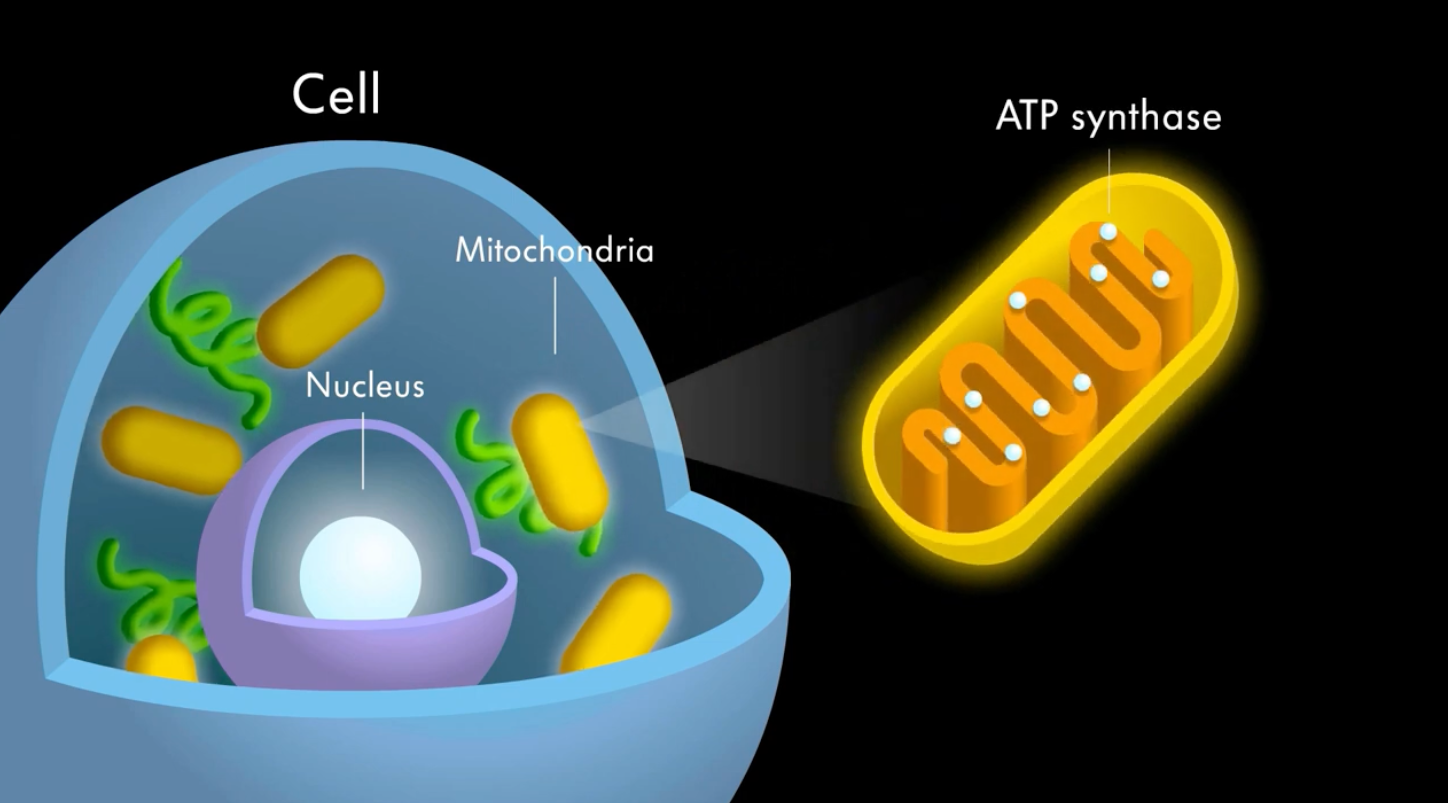
Mitochondria, small organelles in our cells, are perhaps the most important parts of our bodies.
They act as power plants that convert nutrients into usable energy (ATP).
This energy is needed for all our bodily functions, from contracting muscles to thinking and breathing.
It is becoming increasingly clear that these important cellular components do much more than produce energy!
Mitochondria: more than just power plants
In addition to energy production, mitochondria play a crucial role in several other processes, including:
Hormone production: Important hormones such as testosterone, estrogen and cortisol depend on pregnenolone produced in the mitochondria.
Cell death: Mitochondria regulate cell death, a crucial process for removing damaged cells and preventing cancer.
Immune system: Mitochondria help fight infections by activating immune cells.
Cell communication: Through various signaling and communication networks, they enable cells to respond to changing conditions and communicate with each other.
This communication is critical for coordinating cellular processes and maintaining homeostasis at the cellular level, as well as for the entire organism.
A legacy of bacteria
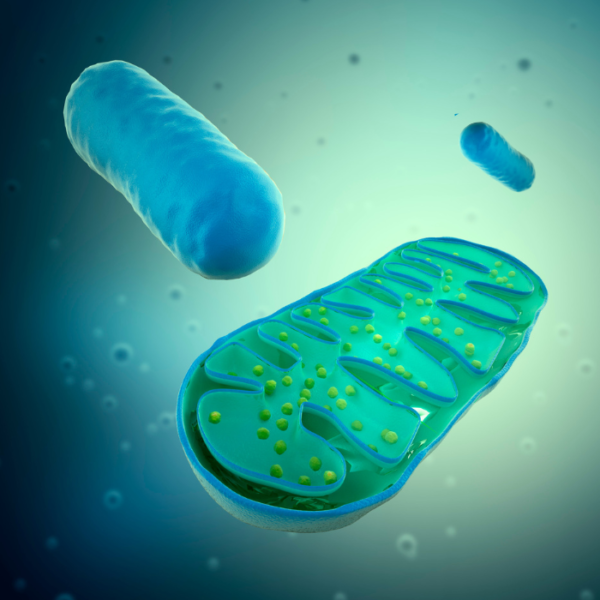
Mitochondria have a remarkable and complex evolutionary history. These essential organelles evolved from bacteria that established symbiotic relationships with early eukaryotic cells, our distant ancestors, about 1.5 to 2 billion years ago. This theory, known as the endosymbiotic theory, offers insight into the unique properties of mitochondria.
Their bacterial origin explains several fascinating features. First, mitochondria contain their own annular DNA, which closely resembles the DNA of bacteria, providing a striking contrast to the linear DNA in the cell nucleus. In addition, mitochondria have a double membrane structure similar to that of many bacteria, contributing to their unique shape and function. Remarkably, mitochondria also divide independently of the cell through a process similar to bacterial cell division.
Possible communication between mitochondria and our own microbiome
Moreover, recent research shows that mitochondria may still be able to “communicate” with the bacteria found on our skin and in our intestines.
This suggests a deep evolutionary link between these organisms. For example, mitochondria and gut bacteria produce similar signaling molecules, and there is evidence that mitochondrial activity may be influenced by the composition of our microbiome.
Moreover, certain metabolites produced by bacteria can directly affect mitochondrial function.
The paradigm shift:
from research on DNA to research on mitochondria
Over the past two decades, the scientific community has shown increasing interest in the role of mitochondria in health and disease. More and more researchers are focusing on unraveling the complex relationship between functional and dysfunctional mitochondria and its impact on our well-being. The growing body of evidence suggests that the influence of mitochondria on our health extends much further than previously believed.
Three factors seem to be particularly important in this regard:
- the number of mitochondria in our cells
- Their efficiency in energy production
- and the extent of mutations in mitochondrial DNA.
Surprisingly, recent research findings suggest that these mitochondrial factors may play a larger role in the onset and progression of disease than previously believed, based solely on mutations in nucleus DNA.
These findings offer new perspectives for understanding complex diseases ranging from neurodegenerative disorders to metabolic disorders. Moreover, they offer potential leads for innovative treatment strategies aimed at improving mitochondrial function that could represent a paradigm shift in medicine.
Scientific evidence for the role of mitochondria in various diseases

Neurodegenerative disorders: Studies show that mitochondrial damage and reduced ATP production play an important role in the development of Alzheimer’s disease, Parkinson’s disease and Huntington’s disease. (DNA repair, 2008; Mitochondrion, 2023)
Cardiovascular disease: Mitochondrial dysfunction can lead to heart defects, decreased contractility and increased oxidative stress, which increases the risk of heart attacks and strokes. (Frontiers in cardiovascular medicine, 2022; Oxidative medicine and cellular longevity, 2022)
Cancer: Mitochondrial mutations and dysfunction can disrupt cell growth and cell division, leading to cancer. (Trends in Cancer, 2022; Journal of Biomedical Science, 2023)
Aging: Research shows that the decline in mitochondrial function and ATP content is an important factor in the aging process. (Nature Aging, 2022; Molecular Cell, 2016; Frontiers in Genetics, 2017)
Stable, coherent water and increased ATP levels

Conclusion:
The fascinating connection between gut health and well-being
Mitochondria are indispensable cellular organelles that not only act as power plants, but also play a crucial role in various vital processes in our bodies. Their versatility underscores the importance of mitochondria to our overall health and well-being.
Unfortunately, the functionality of mitochondria declines as we age, which can lead to a range of health problems. Scientific research supports these links and offers hope for improvement through certain lifestyle factors and nutritional supplements.
Stable, coherent water is a promising development that could potentially improve mitochondrial function and help us remain healthier and more vital even in old age. By becoming aware of the importance of mitochondria and actively taking measures to support their function, we increase our chances of living a long and energetic life!
Literature List
Alqahtani, T., Deore, S. L., Kide, A. A., Shende, B. A., Sharma, R., Dadarao Chakole, R., Nemade, L. S., Kishor Kale, N., Borah, S., Shrikant Deokar, S., Behera, A., Dhawal Bhandari, D., Gaikwad, N., Kalam Azad, A., & Ghosh, A. (2023). Mitochondrial dysfunction and oxidative stress in Alzheimer’s disease, Parkinson’s disease, Huntington’s disease and amyotrophic lateral sclerosis – An updated review. Mitochondrion, 71, 83-92.
Kim, M., Mahmood, M., Reznik, E., & Gammage, P. A. (2022). Mitochondrial DNA is a major source of driver mutations in cancer. Trends in Cancer.
Lima, T., Li, T. Y., Mottis, A., & Auwerx, J. (2022). Pleiotropic effects of mitochondria in aging. Nature aging, 2(3), 199-213.
Liu, M., Lv, J., Pan, Z., Wang, D., Zhao, L., & Guo, X. (2022). Mitochondrial dysfunction in heart failure and its therapeutic implications. Frontiers in Cardiovascular Medicine, 9, 945142.
Scialò, F., Sinha, P., & Cottone, G. (2017). Mitochondrial dysfunction and oxidative stress in aging and age-related diseases. Frontiers in Genetics, 8, 1-12.
Stamerra, C. A., Di Giosia, P., Giorgini, P., Ferri, C., Sukhorukov, V. N., & Sahebkar, A. (2022). Mitochondrial dysfunction and cardiovascular disease: pathophysiology and emerging therapies. Oxidative medicine and cellular longevity, 2022, 9530007.
Sun, N., Youle, R. J., & Finkel, T. (2016). The mitochondrial basis of aging. Molecular Cell, 61(5), 654-666.
Wang, S. F., Tseng, L. M., & Lee, H. C. (2023). The role of mitochondrial alterations in human cancer progression and cancer immunity. Journal of biomedical science, 30(1), 61.
Yang, J. L., Weissman, L., Bohr, V. A., & Mattson, M. P. (2008). Mitochondrial DNA damage and repair in neurodegenerative diseases. DNA repair, 7(7), 1110-1120.

The great cell symphony
Improving communication between cells, mitochondria and the microbiome
Our body is a complex orchestra, where billions of cells work together in a beautiful symphony of health.
But what if the communication between these cells gets disrupted?
What if the conductor, the mitochondria, are no longer able to lead the melody? And what if the gut microbiome, our invisible choir, starts singing dissonant notes?
The second brain:
The intriguing world of the intestines
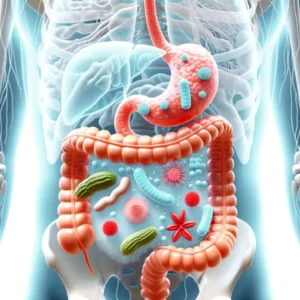
Gut health is a complex and fascinating topic that has a profound impact on our overall well-being. Learn about the role of the gut as the “second brain,” the important communication bridge between the gut nervous system and the brain, the importance of healthy gut flora.

Water is water, right?
The history of coherent or structured water
Water seems so ordinary. It falls in buckets from the sky and flows naturally from faucets and showerheads. We take you on a journey to a vitalized, structured and ultimately our coherent water!